Taxi Service Explained: Complete UK Guide
- terry85680
- Nov 16, 2025
- 7 min read
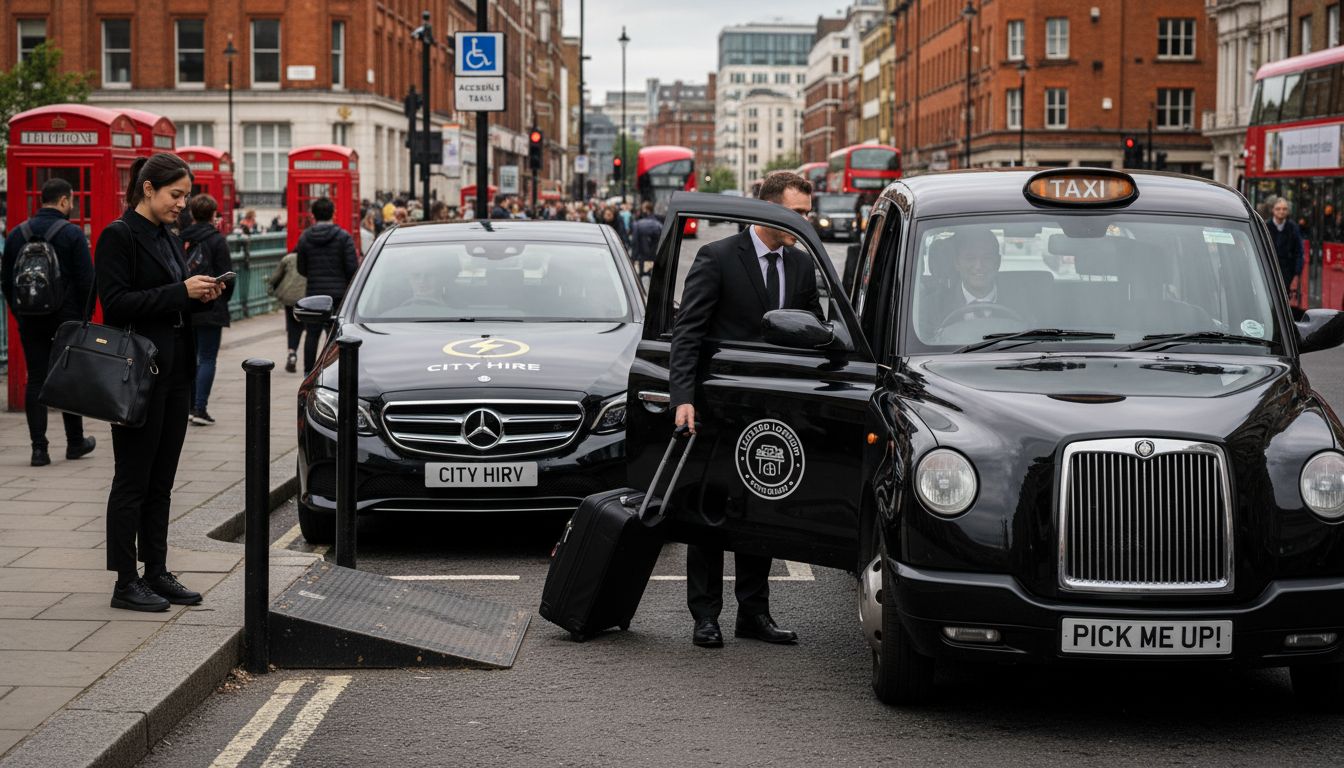
Over 343,000 licensed taxi and private hire vehicles operate throughout the United Kingdom, shaping daily life in cities and rural communities alike. For anyone relying on local transport, understanding how UK taxi services work goes far beyond flagging down a black cab. Travelers and residents depend on clear rules that keep journeys safe, accessible, and reliable. This article unpacks how the system functions, what sets different taxis apart, and why these details matter for every ride.
Table of Contents
Key Takeaways
Point | Details |
Regulatory Framework | UK taxi services operate under strict regulations that prioritize passenger safety, accessibility, and service quality. |
Types of Taxi Services | Key service types include Hackney Carriages (hailed on the street) and Private Hire Vehicles (pre-booked), each with distinct operational guidelines. |
Technological Advancements | The taxi booking experience has evolved significantly, with options including mobile apps, real-time tracking, and dynamic pricing models. |
Passenger Rights | Passengers are entitled to safety, accessibility, transparent pricing, and complaint resolution, reflecting a commitment to equitable service. |
Defining UK Taxi Services Clearly
Taxi services in the United Kingdom represent a sophisticated transportation ecosystem governed by comprehensive regulatory frameworks that prioritize passenger safety, accessibility, and service quality. According to gov.uk, these services are carefully structured to ensure consistent standards across different local jurisdictions.
At their core, UK taxi services are professional transportation solutions that operate under strict licensing requirements. Local authorities play a crucial role in regulating these services, ensuring that each taxi meets specific criteria related to vehicle condition, driver qualifications, and operational standards. The key types of taxi services typically include:
Hackney Carriages: Traditional black cabs that can be hailed directly from the street
Private Hire Vehicles: Pre-booked taxis that cannot be hailed spontaneously
Specialist Transport Services: Vehicles designed for passengers with specific mobility requirements
Interestingly, the sector is evolving beyond traditional transportation models. Transport & Environment highlights a significant shift towards zero-emission capable vehicles, signaling a commitment to environmental sustainability. This transition reflects not just a transportation choice, but a broader societal move towards greener urban mobility solutions.
For travelers seeking reliable local transport, understanding these nuanced distinctions matters. Reliable local taxi services offer more than just point A to point B transportation - they provide a safe, regulated, and increasingly environmentally conscious travel experience that adapts to modern urban transportation needs.
Distinguishing Hackney Carriages and PHVs
In the United Kingdom, two primary types of taxi services exist: Hackney Carriages and Private Hire Vehicles (PHVs), each with distinct operational characteristics and regulatory requirements. According to gov.uk, these classifications represent critical distinctions in transportation service delivery.
Hackney Carriages, commonly known as black cabs, possess unique privileges that set them apart from other taxi services. These vehicles can be:
Hailed directly from the street
Legally stand at designated taxi ranks
Operate with a specific type of municipal license
Required to serve all passengers without pre-booking
Private Hire Vehicles (PHVs), conversely, operate under more restrictive conditions. They must be pre-booked through a licensed operator and cannot be spontaneously hailed from the roadside. Transport & Environment highlights that these vehicles are subject to equally rigorous licensing standards, particularly concerning environmental performance and safety regulations.
The licensing process for both Hackney Carriages and PHVs involves comprehensive assessments of vehicle condition, driver background checks, and operational standards. While their fundamental purpose remains passenger transportation, the regulatory framework ensures that each type of service maintains distinct operational characteristics that serve different urban mobility needs.
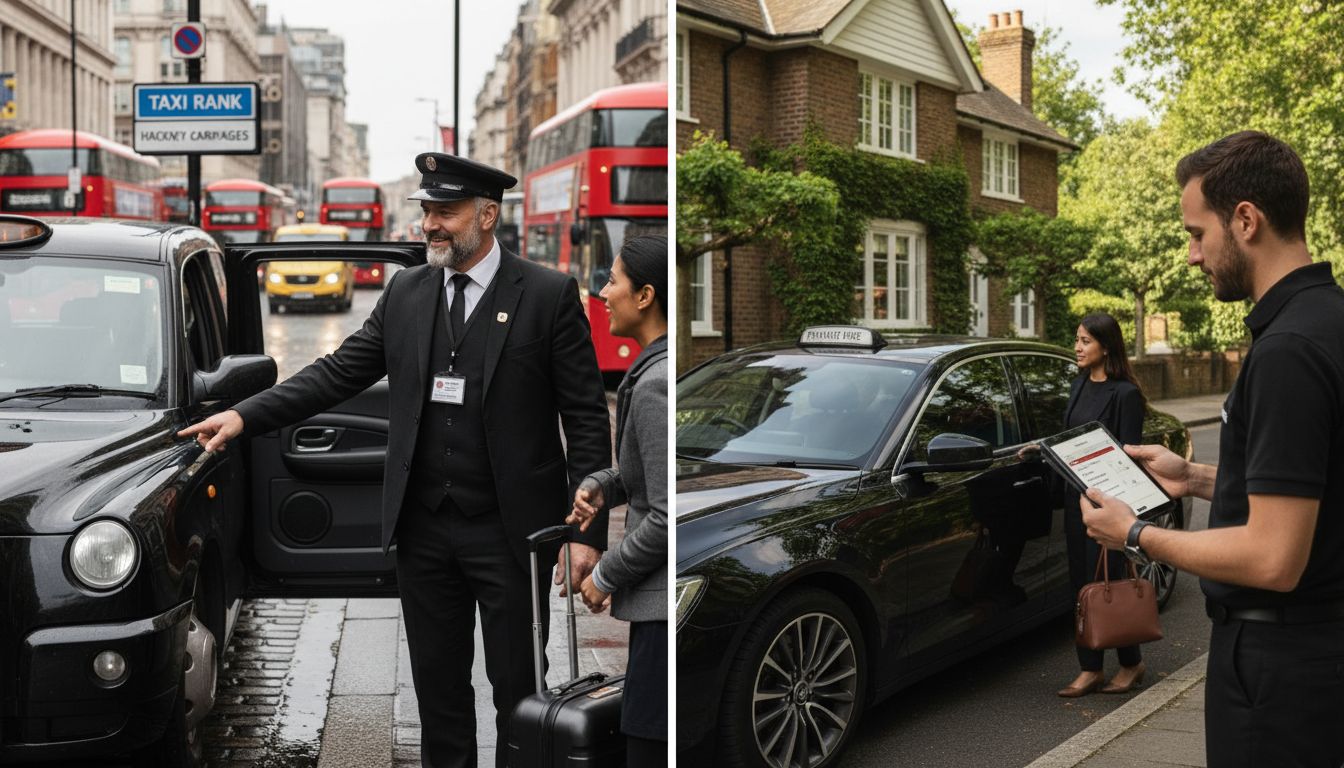
Reliable local taxi services understand these nuanced differences, providing passengers with transparent information about service availability, booking procedures, and potential transportation options based on their specific travel requirements.
How UK Taxi Booking Works
Booking a taxi in the United Kingdom has dramatically transformed with technological advancements, offering passengers multiple convenient options for arranging transportation. TaxiPoint highlights the evolving landscape of taxi booking, which now encompasses traditional and digital methods to meet diverse customer needs.
Typical booking channels for UK taxi services include:
Direct telephone reservations
Mobile smartphone applications
Online booking platforms
In-person bookings at designated taxi ranks
Pre-arranged bookings through licensed operators
According to gov.uk, the booking process must adhere to strict regulatory guidelines that prioritize passenger safety and service quality. This means every booking, regardless of the channel, requires verification through licensed operators who maintain comprehensive records of each transaction.
Modern taxi booking has become increasingly sophisticated, with many services now offering real-time tracking, estimated arrival times, and transparent pricing. Passengers can typically specify their requirements, including vehicle type, accessibility needs, and additional services, ensuring a tailored transportation experience.
Book online with most local taxi services to explore these convenient booking options and streamline your travel arrangements.
Taxi Driver Licensing and Regulations
Navigating the complex world of taxi driver licensing in the United Kingdom requires adherence to stringent regulatory standards designed to protect both passengers and drivers. gov.uk outlines comprehensive guidelines that licensing authorities must follow to ensure public safety and professional standards.
To become a licensed taxi driver in the UK, candidates must successfully complete multiple rigorous assessments:
Enhanced criminal background checks
Driving record verification
Medical fitness examinations
Knowledge tests of local geography
English language proficiency assessment
Proof of legal right to work in the UK
According to gov.uk, the licensing process is not a one-time event but a continuous commitment. Drivers must maintain their professional standards, with regular reassessments and the potential for license suspension if they fail to meet established conduct requirements.
The regulatory framework extends beyond initial licensing, encompassing ongoing professional development and strict behavioral expectations. Drivers are required to maintain their vehicles to specific safety standards, demonstrate professional conduct, and undergo periodic reviews to ensure they continue to meet the high standards expected of licensed taxi professionals.
INFOGRAPHIC:infographic_content] [Reliable local taxi services rely on these robust regulations to maintain public trust and deliver consistently high-quality transportation experiences.
Safety, Accessibility and Passenger Rights
Passenger safety and accessibility are fundamental principles that underpin the UK taxi service industry, ensuring that transportation remains inclusive and protective of all individuals. gov.uk emphasizes comprehensive guidelines that mandate stringent safety protocols and equitable service provisions across diverse passenger demographics.
Passenger Rights in the UK taxi ecosystem encompass several critical protections:
Right to a safe and comfortable journey
Protection from discriminatory practices
Guaranteed accessibility for passengers with disabilities
Transparent pricing and fare information
Complaint and dispute resolution mechanisms
Protection of personal data and privacy
The Disabled Persons Transport Advisory Committee has been instrumental in advocating for comprehensive accessibility standards. Their recommendations ensure that taxi services provide specialized support, including wheelchair-accessible vehicles, trained drivers who understand diverse passenger needs, and infrastructure that accommodates various mobility requirements.
Modern taxi services are increasingly implementing technology-driven safety features such as GPS tracking, driver verification systems, and real-time monitoring to enhance passenger protection. Reliable local taxi services recognize that safety extends beyond physical transportation, encompassing a holistic approach that prioritizes passenger comfort, dignity, and individual needs.
Costs, Alternatives, and Technology Trends
The UK taxi industry is experiencing a significant technological transformation, with emerging trends reshaping traditional transportation models. TaxiPoint highlights the rapid evolution of taxi services, driven by technological innovation and changing consumer expectations.
Transport Alternatives in the modern UK landscape include:
Ride-sharing platforms
Electric and hybrid vehicle services
Autonomous vehicle prototypes
Integrated public transport connections
App-based booking systems
Subscription-based transportation models
Transport & Environment emphasizes the critical shift towards zero-emission vehicles, which is dramatically influencing cost structures and environmental sustainability. This transition involves substantial investments in electric vehicle infrastructure, driver training, and technological adaptations that ultimately benefit both consumers and the broader environmental ecosystem.
Cost considerations are increasingly complex, with technology driving more transparent and dynamic pricing models. Modern taxi services are leveraging advanced algorithms to provide real-time fare estimates, optimize route efficiency, and offer competitive pricing strategies. Book online with local services to experience these innovative approaches to urban transportation that balance technological sophistication with practical, user-friendly solutions.
Discover Seamless UK Taxi Services Tailored to Your Needs
Understanding the complexities of UK taxi services can be daunting. Whether it is navigating the differences between Hackney Carriages and Private Hire Vehicles or ensuring your ride meets strict safety and accessibility standards, the need for a reliable, professional, and transparent taxi service is clear. You deserve a provider who puts your comfort, punctuality, and peace of mind first.
Experience hassle-free travel in Lancaster and Kendal with TT Taxis, where every journey reflects the highest standards explained in the UK taxi guide. Book your airport transfer, hospital appointment, or shopping trip easily through our dispatch team. Take control of your travel now by visiting our homepage to see how simple and trustworthy booking local cabs can be. Do not wait until last minute delays or confusion—secure your next ride with confidence today.
Frequently Asked Questions
What are the main types of taxi services in the UK?
UK taxi services primarily include Hackney Carriages, which can be hailed from the street, and Private Hire Vehicles (PHVs), which must be pre-booked. Additionally, there are specialist transport services catering to passengers with mobility requirements.
How do I book a taxi in the UK?
You can book a taxi in the UK through various channels, including mobile apps, online booking platforms, direct telephone reservations, or in-person at taxi ranks. Each method adheres to regulatory guidelines designed to ensure passenger safety.
What are the licensing requirements for taxi drivers in the UK?
To become a licensed taxi driver in the UK, candidates must pass criminal background checks, driving record verifications, and medical evaluations. They also need to demonstrate knowledge of local geography and meet English language proficiency standards.
What passenger rights are protected in the UK taxi service industry?
Passengers in the UK taxi service industry have several rights, including the right to a safe journey, protection from discrimination, guaranteed accessibility, transparent pricing, and avenues for complaint resolution.
Recommended


Comments